This site is regularly updated
From my own research and study I have found there are 4 primary different mildew spores ( we Brits call it mildew, other conservators refer to it as “mould” or the US spelling “mold”) that cause foxing and each reacts in a different way. The first formula I invented in 2001 only worked on 1 spore, I tried to make a universal formula but each spore seemed to react differently as they all have a different genetic makeup and over 5 years I created 4 different formulae….one for each spore. All have one common denominator and that is they are all attracted to one single element in chemical wood pulp which is the the spores food source.
This isn’t a marketable product as it is more of an exact science. You will need to be able to identify each different spore. Some papers will have 2 or even 3 which means each spore will need to be treated separately……but first you will need to be able to identify many different types of paper fibres manufactured over the centuries as you will also need to identify and re-make different types and strengths of the original manufacturer’s paper “size” which could be one of many different formulae used hot or cold, and this is the real key….it isn’t the formulae that is important, but the method.
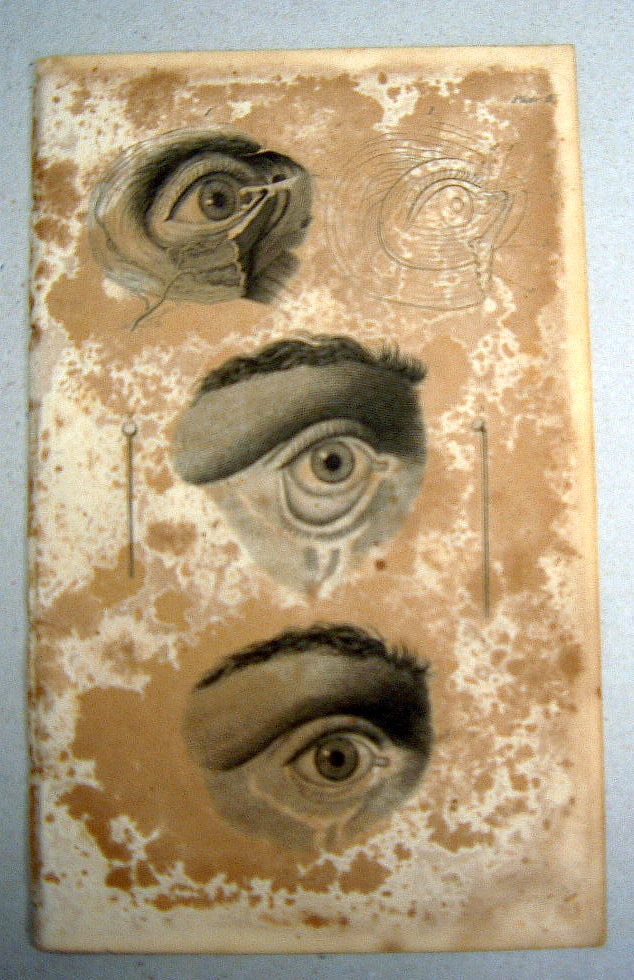
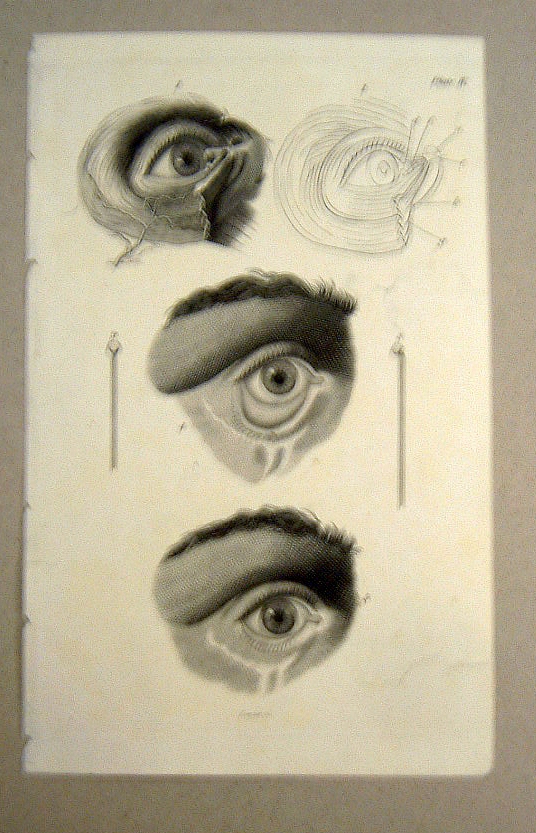
The mildew spores will need to be first neutralised, then removed and the paper re-sized using the original formula in manufacture….bearing in mind that if the size is too strong it will render the paper transparent….too weak will render the paper brittle, there is a fine line of 1% you cannot cross over or under……..and some papers require a stronger size than others….. it isn’t a straight forward operation as you may think, but a precise science…which is why there has never been a formula over the past 250 years. There was one formula in the 19thC using calcium chloride and hydrochloric acid which removed the foxing but broke down the cellulose causing cellular degradation and eventually disintegration.
All of my formulae including the removal of water stains, ink, foxing, oxidation etc…are derived from harmless plant extracts and not chemicals…..I don’t manufacture or sell any of my formulae, nor have I ever patented or published papers or DVD’s on them as there is no point, none of them are wipe on, wipe off products you can easily learn how to use….There are many types of mildew/mold and the 4 common to books are known as “Foxing“, the spore like fungi gets its name from the (F)errous (Ox)ide or the iron it is attracted to in the paper, usually chemical wood pulp, and all are activated by the same cause…relative humidity.
Paper and leather are hygroscopic, a hygroscopic material is one that attracts moisture from the atmosphere. If not protected from contact with a damp atmosphere, books left in damp conditions will eventually disintegrate
click on images to enlarge
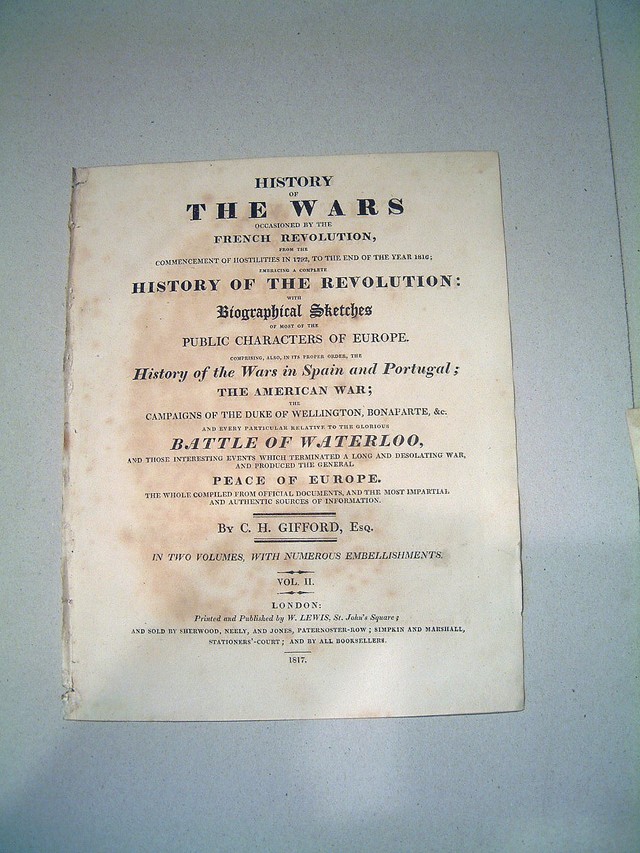
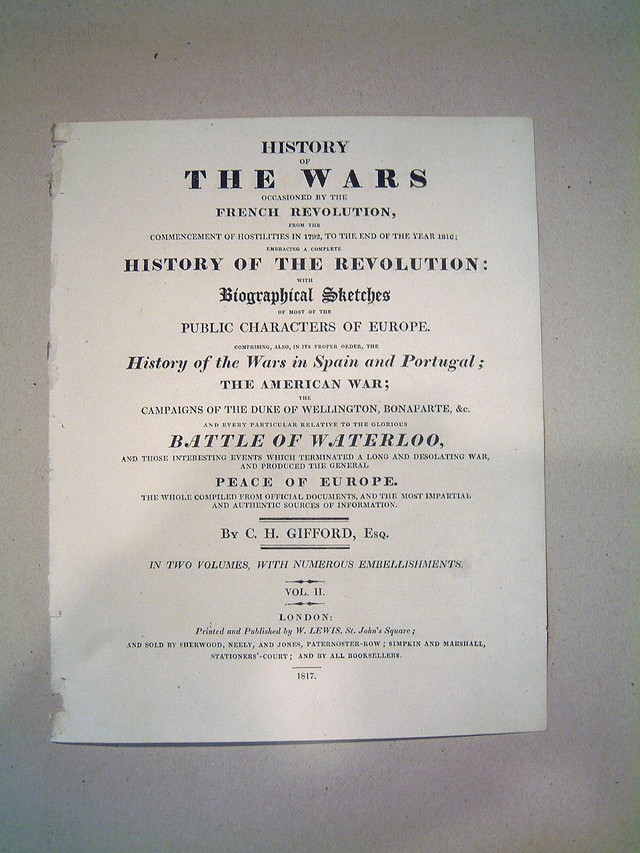
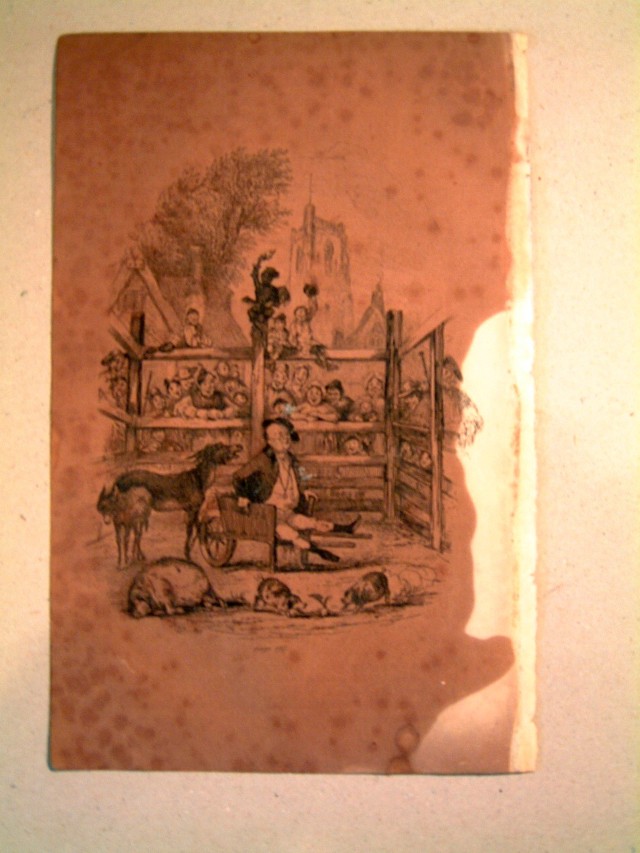
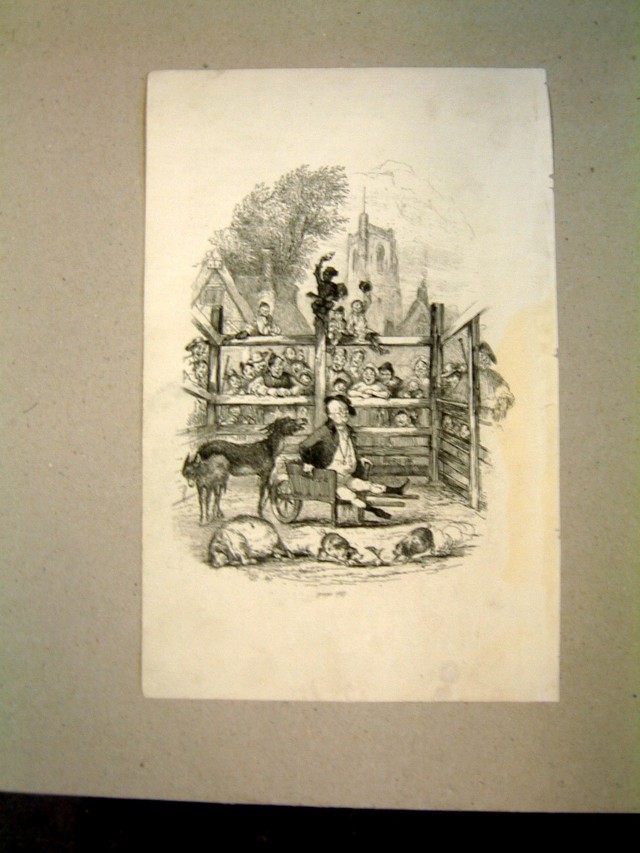
As you can see, we are starting to get a problem with oxidation that will cause the paper to become brittle. If the oxidation has penetrated right through the paper, chances are it will be lost.
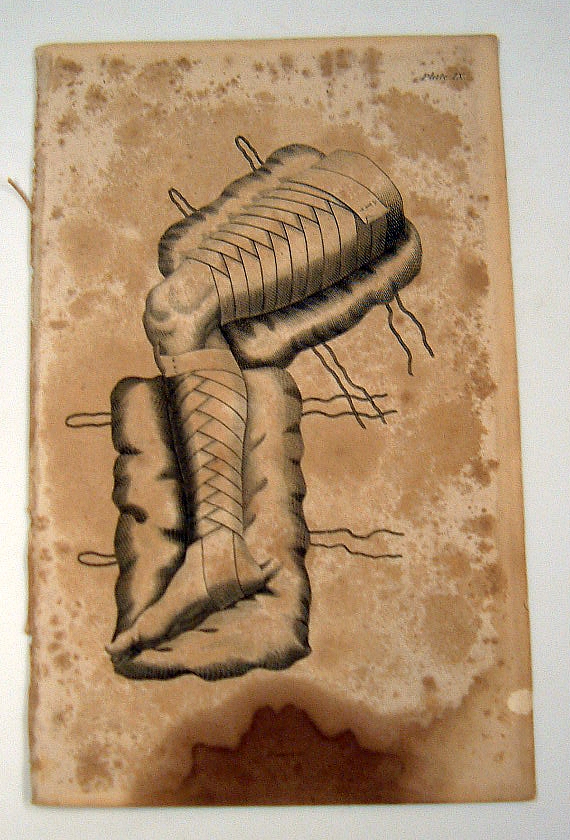
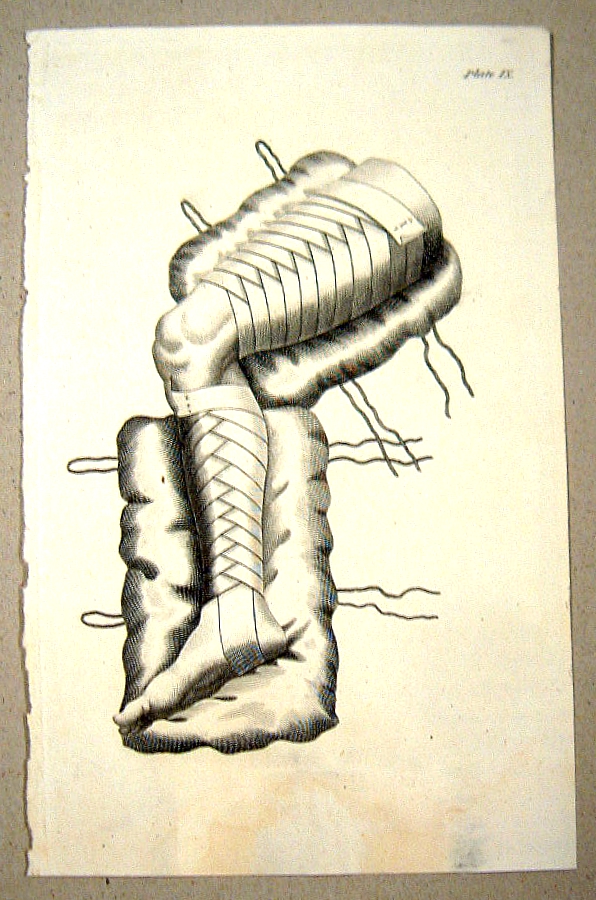
Unless of course you are able to stabalise the fibres of the paper by “plasticising” them to cure the brittleness before you remove the oxidation.
This is not a “How To” site, you will need many years of experience in many different fields.
There has been no definite cure for neutralising the mildew spore, chemical use not only breaks down the paper cellulose but also reactivates the ink so not only do the fibres of the paper break down, after a while and the paper starts to disintegrate and the ink or what ever medium can be rubbed off!
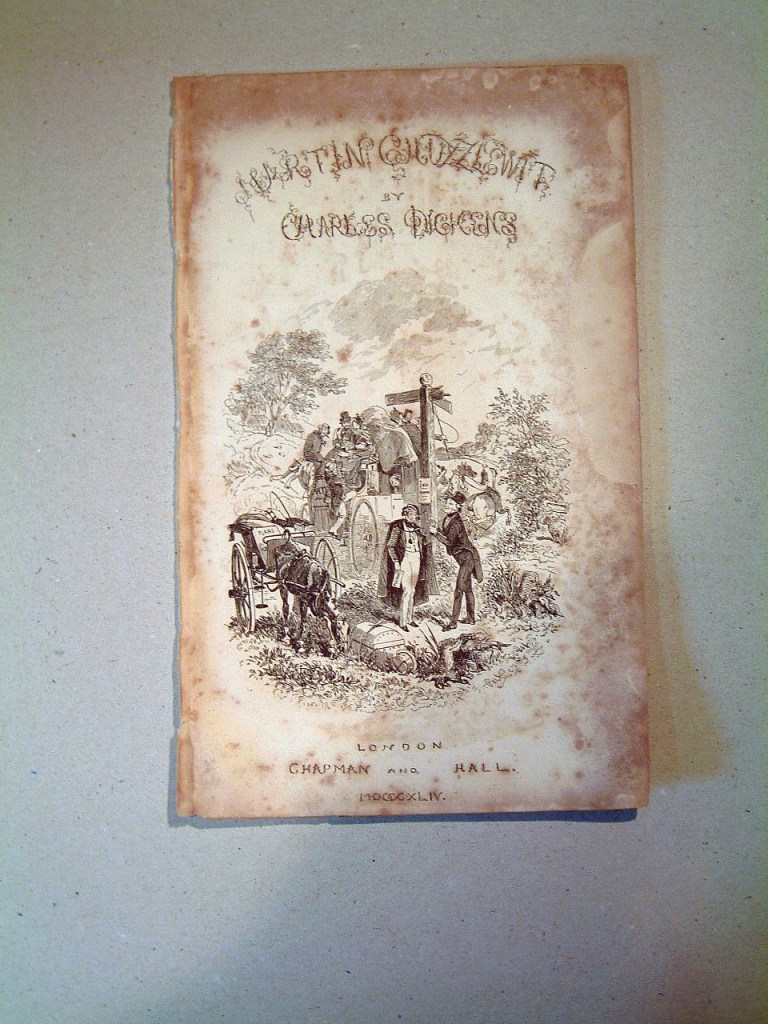
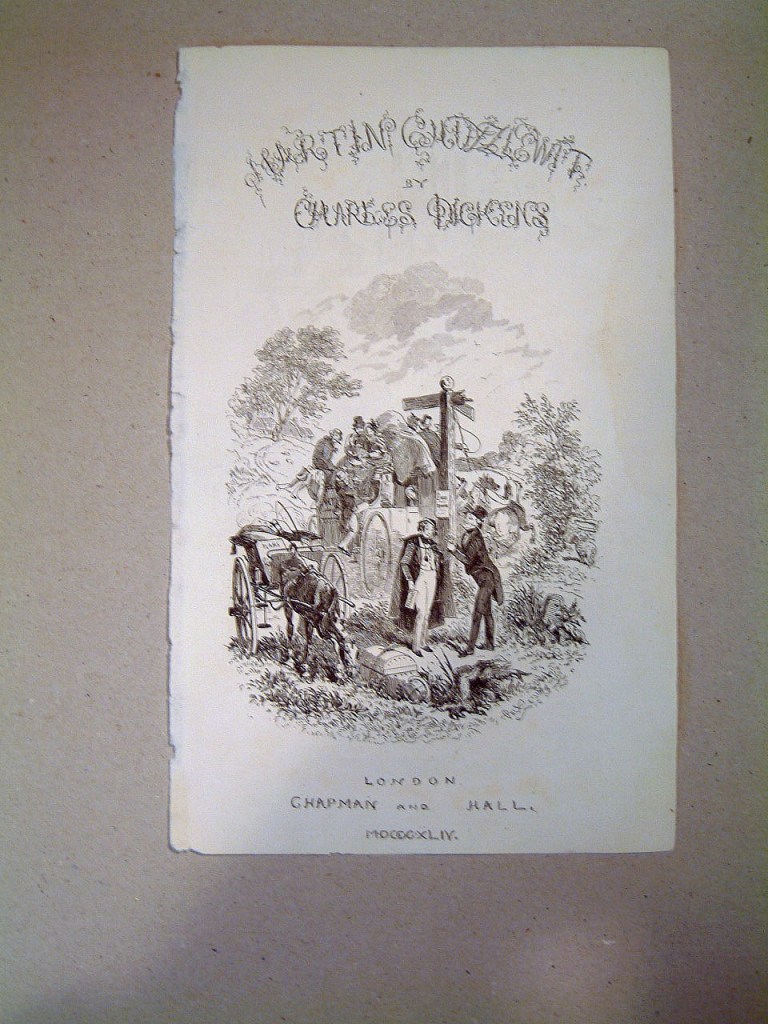
This engraving also has UV damage to the right hand side that cannot be addressed.
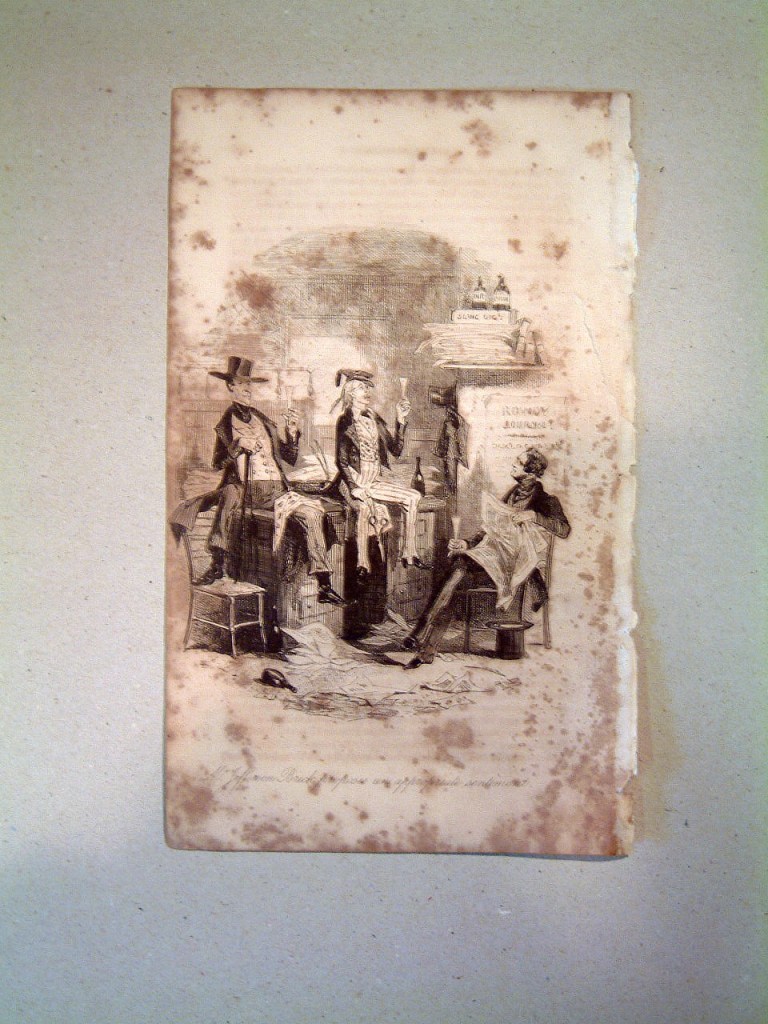
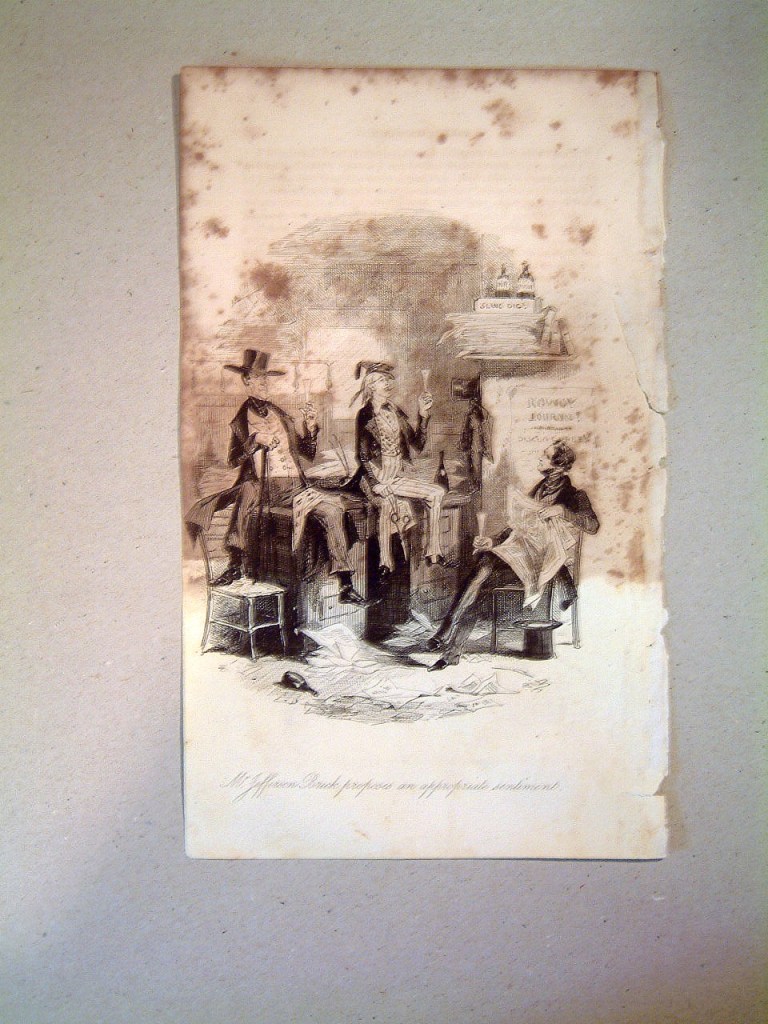
Only the lower portion of the affected area has been removed
In recent years a company has developed a method of removing foxing using a laser method, I’m not sure how the paper fibres would stand up to this treatment, but it isn’t on the markert as yet.
To use my method firstly you need to understand the structure of the manufacture of the many different types of paper, short fibres, long fibres, paper size etc, because what you take out you must definitley replace with the correct ingredients.
Secondly before neutralizing the spore, a mordant must be created to “fix” the medium to the paper albeit ink pigments, water colour pigments, et al.
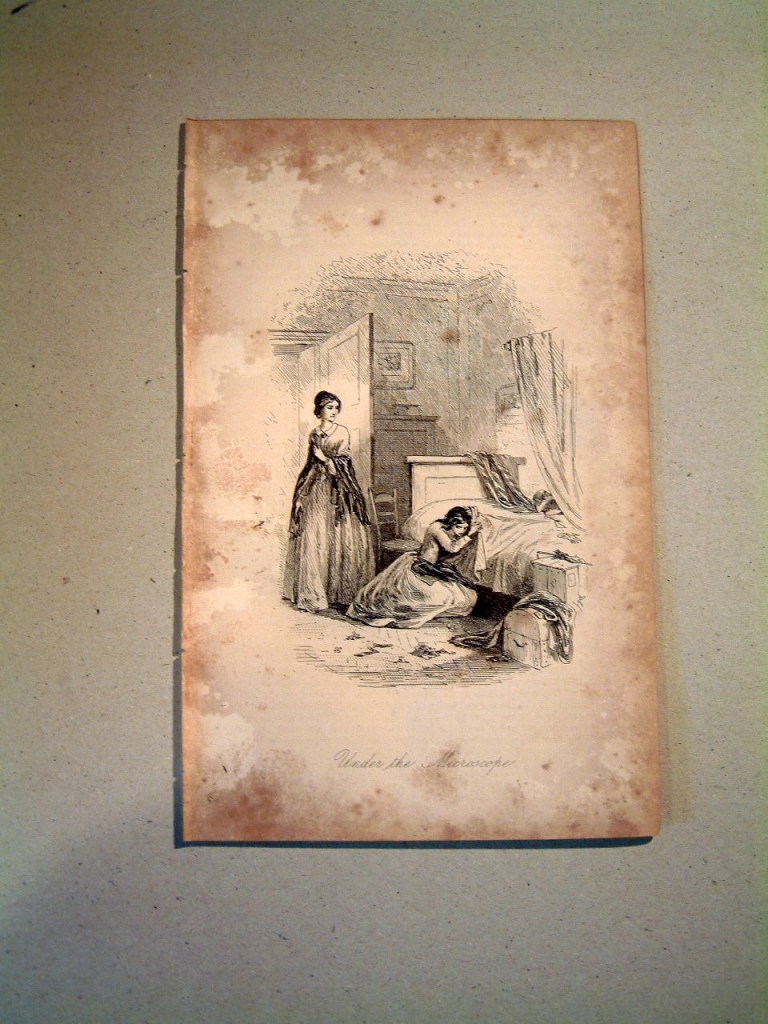
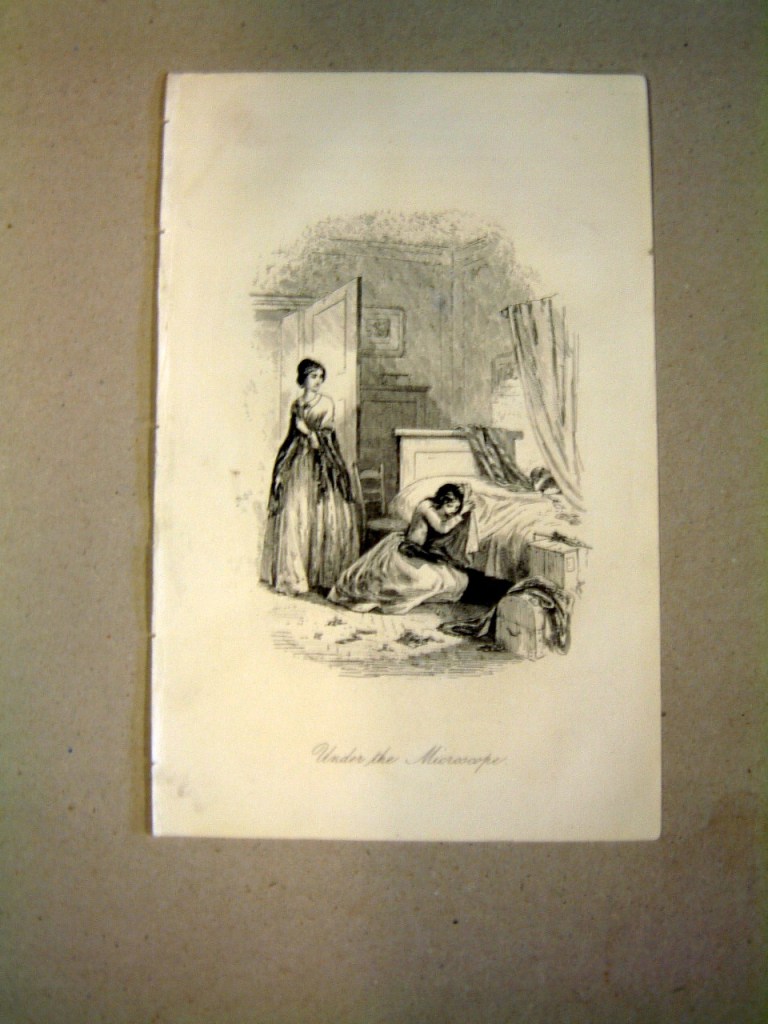
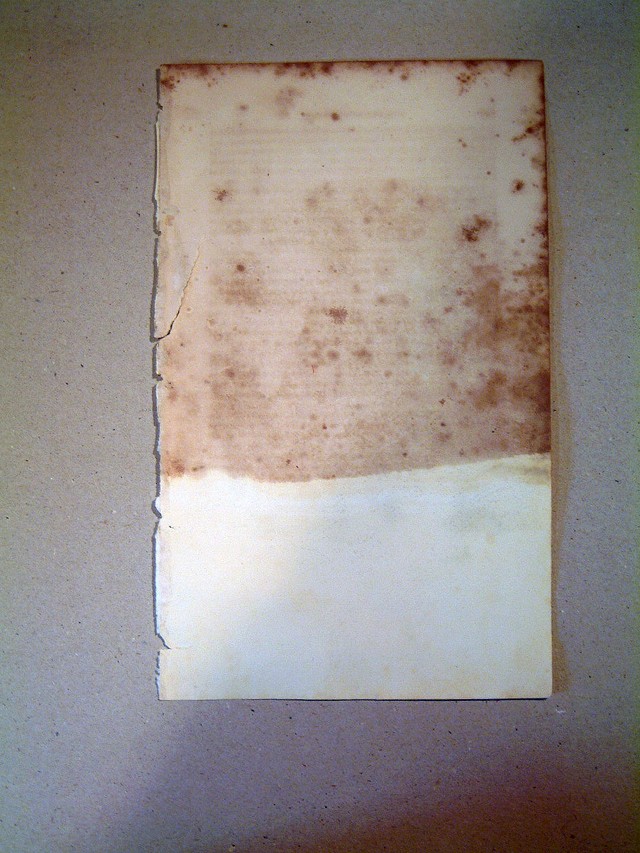
This spore is interesting as it has covered the whole of the surface area of the paper except the very light areas to the left. These areas are not affected because there is no iron there!
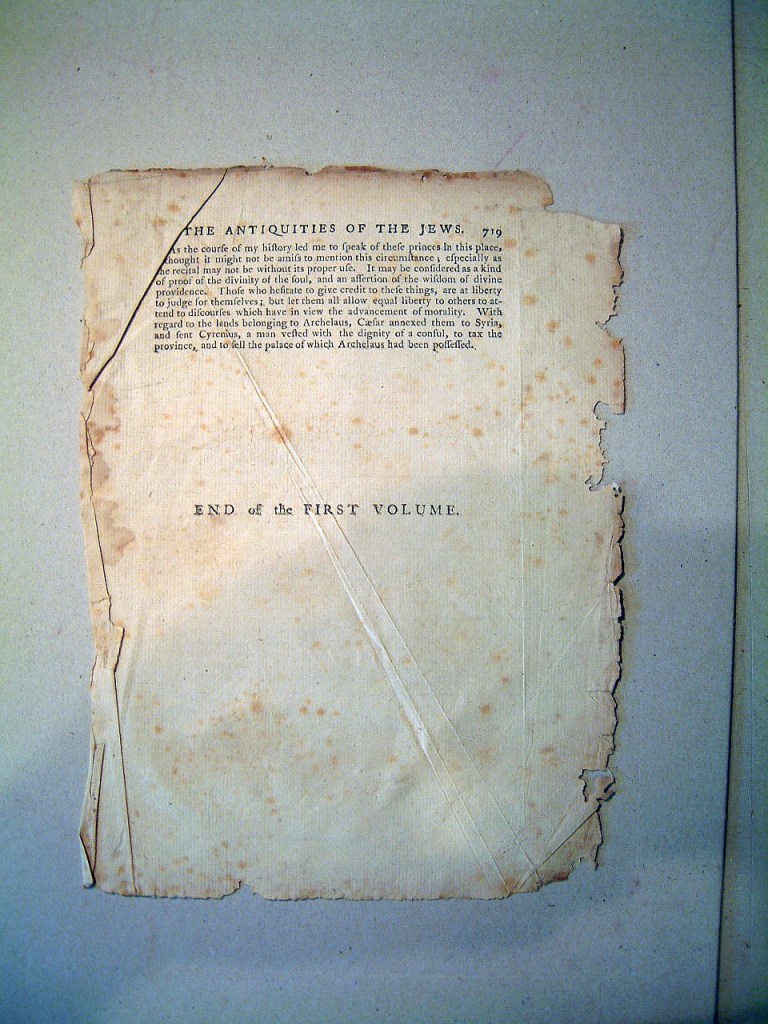
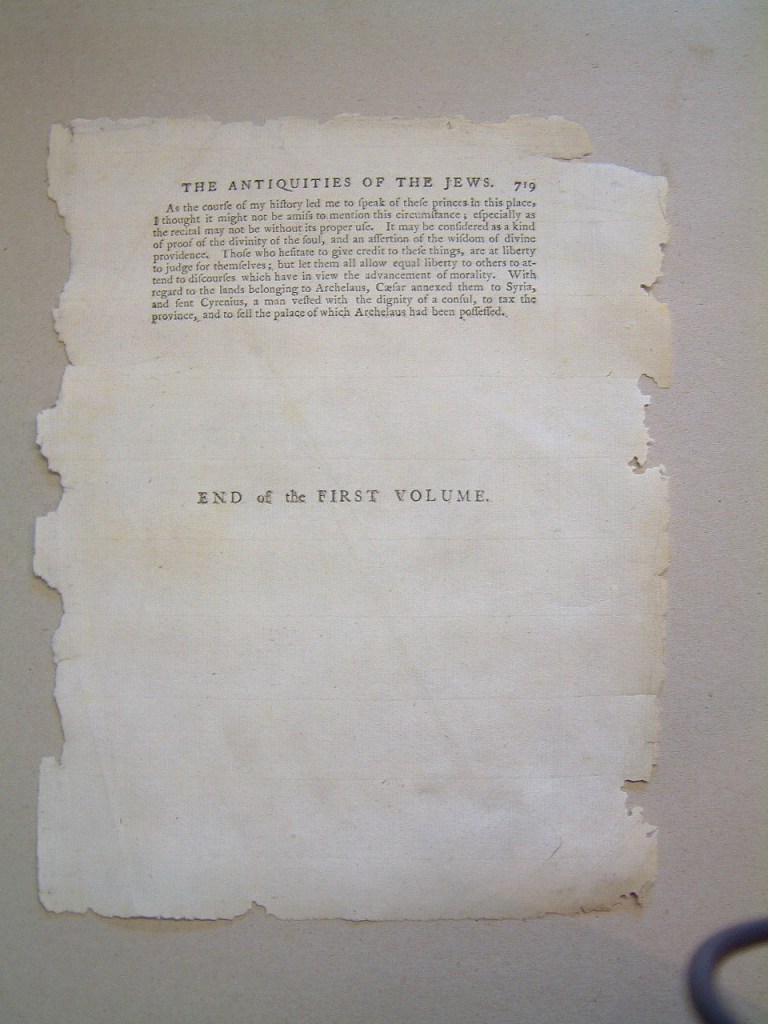
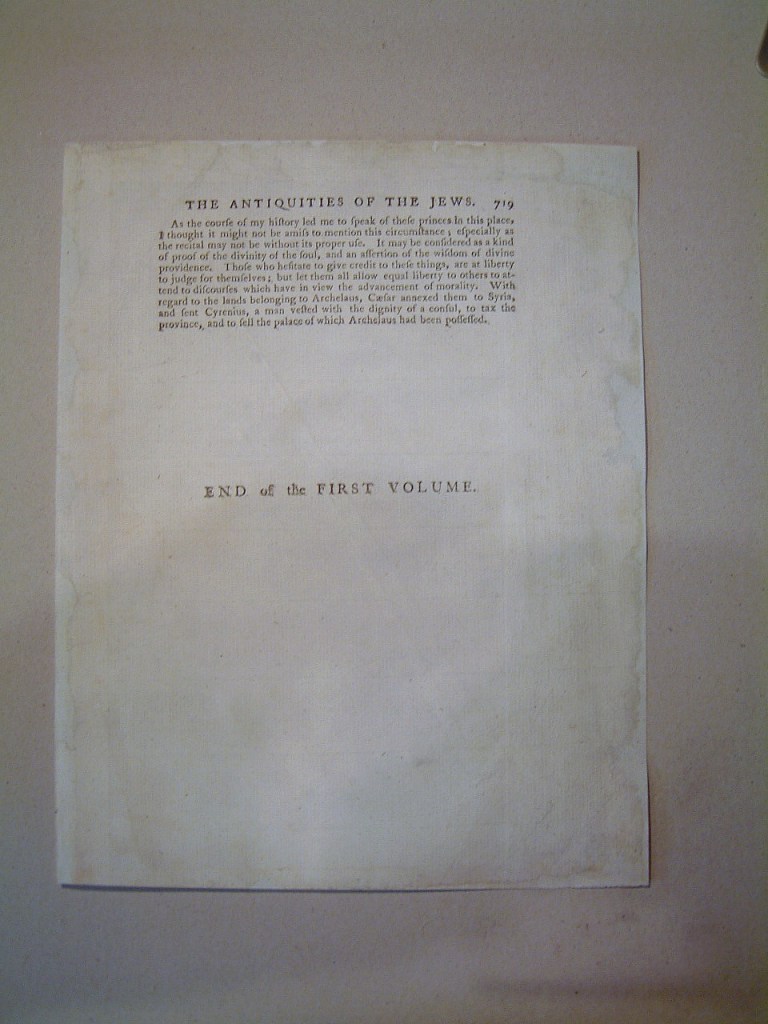
This spore is the most common, there are also other areas on the page that need to be addressed such as the insect damage, creases, water damage and re-building the page.
I recently had an enquiry from a head conservator at a large institution stating:
“I am very impressed with your information on foxing.
I was hoping to find out how you have been successful in removing foxing (and keeping it gone) from prints that are frames without a tissue.
I have just retreated a very rare print which was treated 10 years ago for foxing. I retreated it successfully by spot bleaching half a year ago and now it has reoccurred”.
Ouch!!……………
Don’t these people know they are only “curators” of national treasures?? This “conservator” has used “acid” to remove foxing.This will break down the cellulose and the size in the paper and cellular degredation will occur resulting in ultimate disintegration. I guess she will realize when the print is returned with holes where it has been “treated”.
My formulae has proven the neutralised spore will never come back because the formulae also neutralises and removes the ferrous oxide (the food source) in the paper so basically it turns chemical wood pulp in to mechanical wood pulp, whereas all bleaching methods do not. Therefore paper I have treated that is stored in the correct conditions that cause foxing will never become affected again as the iron that the spore is attracted to is also removed from the paper……. Bleach treated or chemical treated papers on the other hand will always be subject to the foxing returning and eventual disintegration.
Removing Oxidation
What sometimes looks like Foxing or Mildew…not always is, there is a definite difference.
Oxidation is the interaction between oxygen molecules and all the different substances they may contact, from metal to living tissue.
Illustrations in early printing were printed from wood block which progressed into copper plates which progressed into engravings on steel. The copper plates are the problem as oxidation occurs in copper, the result is a greenish coating on the metal called copper oxide but on paper it becomes a brownish hue.
The secret of preventing oxidation is to provide a layer of protection between the exposed material and the air, the only way of doing this with paper is to tip in a “tissue guard” between the engraving and the next page, the tissue is there to collect the oxidation and will oxidiate over time as will the plate but not the next page.
Experts agree that like foxing, to successfully neutralize and remove oxidation is impossible….
Well almost
Next Page Paper Conservation and Removing Ink Stains
Paul regularly puts completed commissions on facebook
https://www.facebook.com/pages/Period-Fine-Bindings/237653069641955?ref=hl
All content and copyright are the property of Paul Tronson
Period Fine Bindings 1983 – Infinity All rights reserved.


Leave a Reply